Purchasing a Prefab House in 2026 means considering the structural mobility of the house and integrated energy systems instead of merely focusing on a static location. With global housing markets gradually adopting flexible living, the cumulative demand for Modular Homes is anticipated to increase at a compound annual growth rate of 7.5% by 2030 as per verified market reports. Those who wish to combine luxury with functionality, the Capsule House series by cammihouse unquestionably stands for the most resilient investment amidst the current economic environment.
Mobility is unchanged as the fundamental source of adding value for the housing sector in 2026. Normally, the fixed-site construction involves locking the capital in a single land plot. However, a mobile prefab home, on the contrary, is a liquid asset that can be physically moved from one location to another when the land lease expires or the change of lifestyle occurs. Such kind of adaptability is a boon for "digital nomads" and those property investors who reduce their exposure to property price fluctuations in the local market.
The aluminum and steel frame structures are of aircraft quality that can allow a Capsule House to exist for more than 50 years with almost no deterioration of the main structure. Besides, it is different from wood Prefab House models which can easily get rotten and be infested by termites. Hence, the metal housing shell of a Cammi house is fabricated to resist even the very corrosive salt-laden marine atmosphere and the ultraviolet radiation at high mountains. Based on the data from the metals industry, aluminum-magnesium alloys provide 3 times the corrosion resistance of ordinary carbon steels which renders these housing units perfect for highly varying weather conditions, from tropical areas to snow-capped mountains.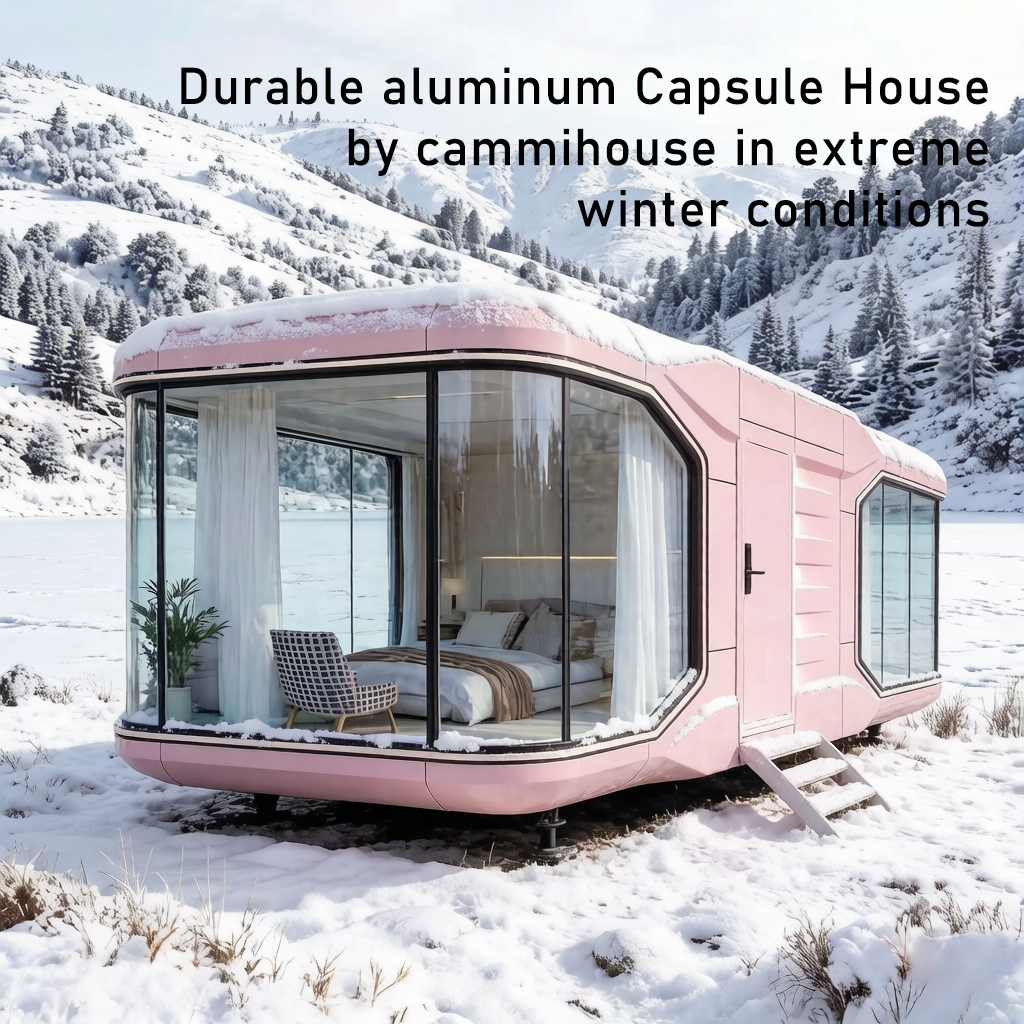
Speed of deployment is the second most decisive factor for buyers in 2026. One cammihouse unit, for example, can be completely set up and ready for use even 2 hours after its arrival at the site, as it does not require a traditional concrete foundation. With the help of adjustable multi-point steel supports, the Capsule House is able to conserve the natural landform while also steering clear of the high costs of soil excavation. Thanks to this "light-touch" method, resort owners in environmentally sensitive parts of the world, such as the Indonesian archipelago, have been able to increase the number of their guests without contravening the local environmental protection ordinances.
Away from being just a hobby, energy autonomy is now a fundamental aspect of sustainable living. A Prefab House capable of generating and storing the power it uses will significantly reduce the total cost of ownership (TCO) over a ten-year span, especially with continuously rising utility prices around the world.
Any Cammi house model can be fitted with a tailor-made solar panel installation and lithium iron phosphate (LiFePO4) batteries. Mobile homes with this kind of equipment, especially in sun-drenched areas, can meet up to 95% of their energy requirements through their own power production and storage. According to the International Renewable Energy Agency (IRENA), solar-plus-storage solutions now have a levelized cost of electricity (LCOE) that is below the retail grid price in more than 60 countries, thus making Off-Grid Ready houses a financially better option for 2026.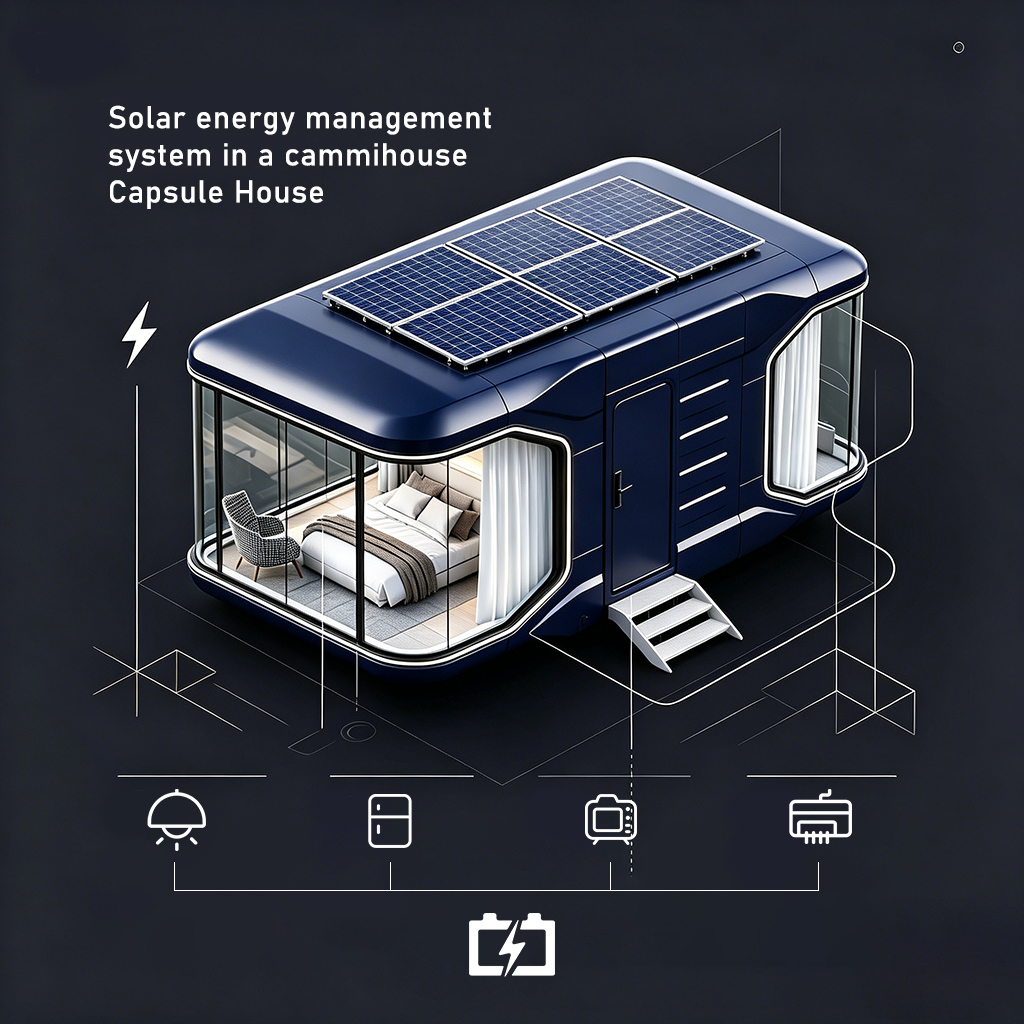
One of the key factors of a fully livable Off-Grid Ready home in extreme temperatures is thermal efficiency.
Cammihouse achieve this by spraying 100mm polyurethane foam insulation along with installing triple-pane low-E tempered glass. This combination drastically reduces heat transfer. Such a feature allows the internal temperature to be kept at 22°C (72°F) even when outside temperature is -15°C. Besides that, it also leads to a reduction of 40% of the electrical load on the heating system comparing to normal modular homes.
Another proof of comfort that a Cammihouse unit can provide is the customer feedback from a Northern Canada project, where their unit was warm and comfortable during a record-breaking cold snap and heating only needed 2kW of peak power for the whole 38-square-meter area.
In 2026, a Prefab House will be way more than just a shelter, it will be a smart device. Through incorporating IoT (Internet of Things) systems, property owners will be able to remotely control their premises, which is a very practical feature for those who have their properties acting as short-term rentals or secondary vacation homes.
The Cammi house smart system is equipped with sensors for humidity, smoke, water leakage, and air quality that owners can monitor through a mobile app. Using such technology, one can carry out maintenance based on predictions as well as receive notifications when there are issues that might result in costly repairs if ignored. In the case of hospitality from one of the resorts in Arizona, the introduction of automated smart locks and remote climate scheduling led to an operational labor cost reduction of 28%. This not only contributed to the downsizing of the on-site team but also ensured that the guests’ experience didn’t drop below 5 stars.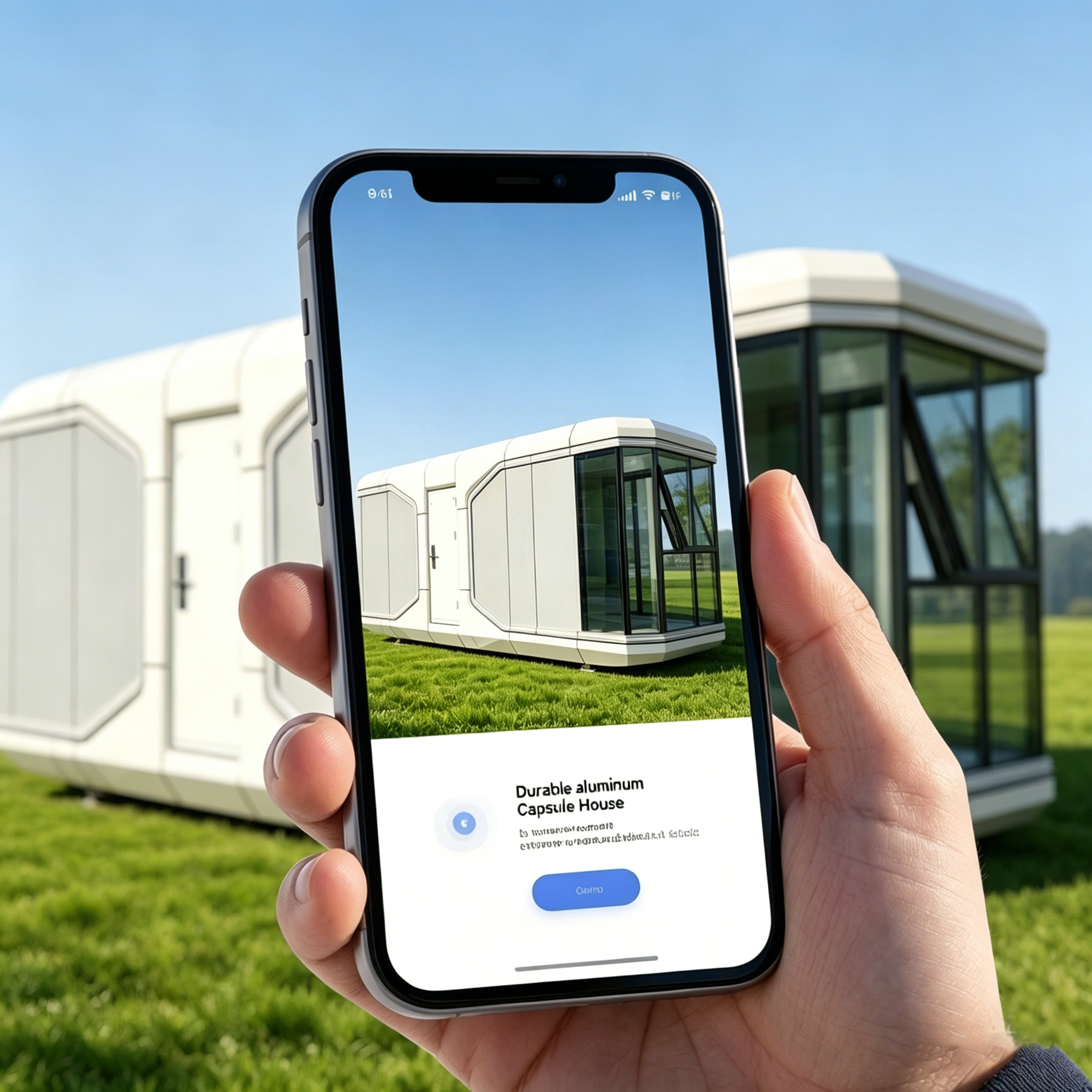
Q1. How does the price of a Capsule House compare with that of a traditional site-built house in 2026?
A. By and large, a Capsule House by cammihouse will be between 30 and 50 percent cheaper than a conventional house of the same quality. This cost advantage comes from the higher efficiency associated with factory-scale production and the fact that on-site labor delays are completely eliminated. Since the units are 100% finished with bathrooms and kitchenettes when delivered, you completely avoid the typical "hidden costs" of plumbing and electrical work which are notorious with traditional construction.
Q2. How easy is it to obtain a permit for a Prefab House in a residential zone?
A. Most cammihouse models comply with International Building Code (IBC) specifications for Modular Homes which will make the obtaining of a permit quite straightforward in a lot of areas. And since these are typically considered "accessory dwelling units" (ADUs) or mobile structures, they often sidestep the more complicated zoning rules applicable to a fixed brick-and-mortar building. We offer complete architectural drawings to help in getting local approvals.
Q3. Is a Cammi house able to endure extreme coastal weather conditions such as typhoons?
A. Yes, the streamlined shape of the Capsule House has been aerodynamically optimized to help it withstand very strong winds. According to the designers, our houses can stand a wind pressure equivalent to a typhoon of up to 120km/h (Level 12 on the typhoon scale). The galvanized steel framework and the rebar anchor points are so well made that the house will not move even if the soil is soft during heavy rains and storm surges which means that even the safety margin over that of traditional wooden mobile homes is quite significant.

